
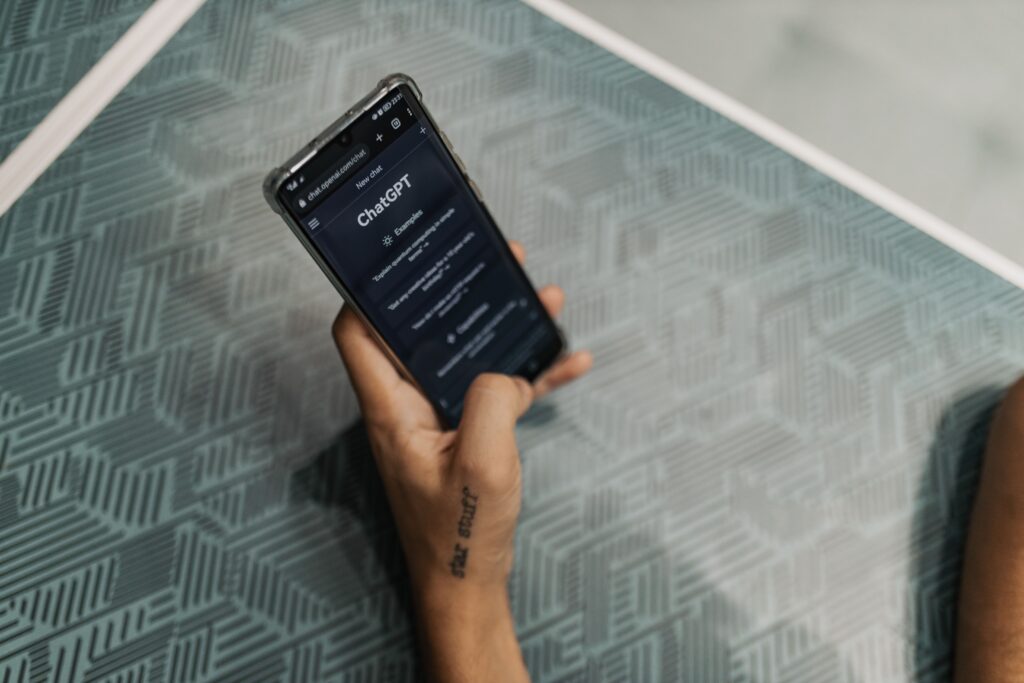
AI Is a Tool, Not a Replacement: What Every Communicator Should Know
By Anmol Harjani
“Will AI replace communicators?”
It’s one of the most common questions being asked across boardrooms, classrooms, networking events and communications conferences today.
The short answer?
No.
The better question is:
How will communicators who embrace AI work differently from those who don’t?
Artificial Intelligence has quickly become one of the biggest conversations shaping our profession. From drafting social media captions and summarizing meeting notes to analyzing audience insights and brainstorming campaign ideas, AI is transforming how we work.
But while the technology is evolving rapidly, one thing remains unchanged:
Communication has always been, and will always be, about people.
Let’s Address the Elephant in the Room
It’s natural to feel uncertain whenever a new technology changes the way we work.
History has shown us this time and time again.
The internet changed communications.
Social media changed communications.
Smartphones changed communications.
Now, AI is changing communications.
Each innovation sparked questions about the future of the profession. Yet none of them eliminated the need for strategic thinkers, creative problem-solvers or trusted advisors.
Instead, they changed the skills required to succeed.
AI is no different.
What AI Does Well
Let’s give AI the credit it deserves.
It can help communicators become more efficient by handling repetitive and time-consuming tasks.
It can:
- Brainstorm campaign ideas.
- Draft first versions of content.
- Summarize lengthy reports.
- Organize research.
- Analyze large amounts of information.
- Generate meeting notes.
- Translate content into different languages.
- Repurpose long-form content into social posts.
These capabilities save valuable time, allowing communicators to focus on higher-value work.
But that’s where the distinction begins.
What AI Can’t Replace
AI can generate words.
It cannot build trust.
It can analyze data.
It cannot understand office dynamics, community relationships or organizational culture the way humans do.
It can suggest messaging.
It cannot sit across from a concerned employee, reassure a client during a crisis or navigate the emotions that accompany difficult conversations.
Communications is more than content creation.
It’s strategy.
It’s empathy.
It’s judgment.
It’s knowing when not to send the email.
It’s understanding that sometimes the most important communication happens before anything is written.
These are deeply human skills.
The Most Successful Communicators Will Work With AI
Rather than asking whether AI is good or bad, consider how it can become part of your professional toolkit.
Think of it the same way we think about design software, media monitoring platforms or analytics dashboards.
They’re tools.
Useful tools.
Powerful tools.
But still tools.
A great camera doesn’t make someone a great photographer.
A project management platform doesn’t make someone an effective leader.
Likewise, AI doesn’t replace strategic thinking.
It amplifies it.
The quality of the outcome still depends on the communicator using it.
Questions Every Communicator Should Be Asking
As AI becomes more integrated into our work, our responsibility also grows.
Before using AI-generated content, ask yourself:
- Is this accurate?
- Does it reflect our organization’s voice?
- Have I verified the information?
- Could bias influence this output?
- Does this align with our ethical standards?
- Would I confidently put my name on this work?
These questions matter because trust is one of the communications profession’s greatest assets.
Technology should strengthen that trust—not compromise it.
The Skills That Will Matter Even More
As AI takes on more administrative tasks, human skills become even more valuable.
The communicators who thrive won’t necessarily be those who know every new tool.
They’ll be the professionals who excel at:
- Critical thinking.
- Strategic decision-making.
- Relationship building.
- Active listening.
- Creative storytelling.
- Ethical leadership.
- Emotional intelligence.
Ironically, the more advanced technology becomes, the more important these human qualities become.
Looking Ahead
AI isn’t asking communicators to become less human.
It’s challenging us to become more thoughtful.
To ask better questions.
To think more strategically.
To spend less time on repetitive tasks and more time creating meaningful impact.
The future of communications won’t belong to AI.
It will belong to communicators who know how to combine technology with curiosity, creativity and compassion.
Because while technology can help us communicate faster, only people can help us communicate with purpose.
Before You Go…
Instead of asking, “Will AI replace my job?”
Try asking yourself:
“What human strengths can I develop that no technology will ever replicate?”
That question may shape your career far more than any software ever will.
Anmol Harjani is a Client Servicing Manager working with a remote company and a recent graduate of York University’s Public Relations and Communications program. She is especially interested in strategic communications, social media behaviour, and how PR practitioners adapt within a rapidly evolving digital landscape. She currently serves as the Communications Co-Chair on the CPRS Toronto Board.