
Father’s Day vs. Mother’s Day Campaigns: What Canadian Communicators Can Learn from the Stories We Tell
By Lucy Luc
Every June, Father’s Day arrives with familiar images. Retail flyers promote barbeque accessories, tools, golf equipment, and novelty gifts. Social media fills with dad jokes and lighthearted content celebrating fathers and father figures.
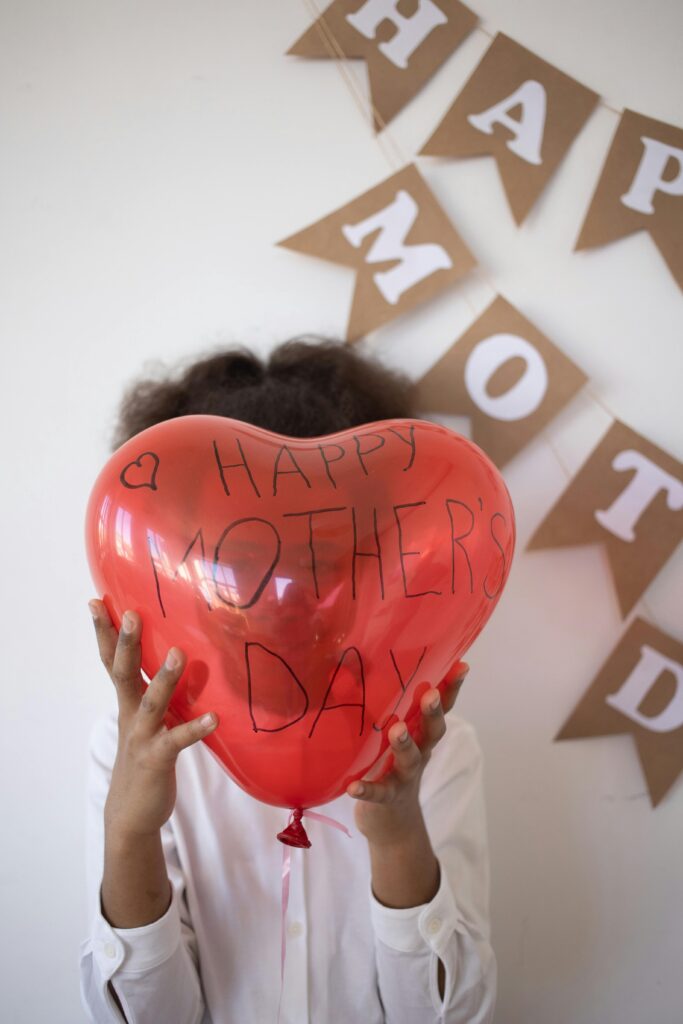
Just a few weeks earlier, Mother’s Day campaigns looked very different. Advertisements focused on gratitude, sacrifice, love, and emotional connection. Flowers, jewelry, spa experiences, and heartfelt messages dominated the conversation.
As communicators, these differences are worth paying attention to. They reveal not only how brands market to consumers, but also how storytelling shapes public perceptions of caregiving, family, and identity.
Father’s Day offers an opportunity to reflect on how narratives evolve and what public relations professionals can learn from them.
The Origins of Two Celebrations
In Canada, Mother’s Day is celebrated on the second Sunday in May, while Father’s Day takes place on the third Sunday in June. Both holidays were created to recognize the important role parents play in shaping families and communities.
Mother’s Day was officially recognized in the United States in 1914 following the efforts of Anna Jarvis and quickly gained popularity across North America. Father’s Day followed a different path. Inspired by Sonora Smart Dodd in 1910, it took decades before receiving the same level of recognition and commercial attention.
Although both celebrations were founded on appreciation and gratitude, the stories built around them have developed quite differently.
Why Do the Campaigns Feel So Different?
Historically, Mother’s Day campaigns have focused on emotion. Brands often position mothers as selfless caregivers whose contributions deserve recognition and reward. Marketing messages frequently highlight love, sacrifice, nurturing, and family connection.
Father’s Day campaigns, meanwhile, have often leaned toward humour and practicality. Fathers are commonly portrayed as handy problem solvers, sports enthusiasts, grill masters, or providers. Gifts marketed to dads tend to emphasize utility rather than sentiment.
Research has consistently shown that consumers spend significantly more on Mother’s Day than Father’s Day. This spending gap reflects not only purchasing habits but also the way each holiday has been positioned by brands over time.
For public relations professionals, this demonstrates a fundamental principle of communications. The stories we repeatedly tell influence how audiences understand people and their roles in society.
A Changing Canadian Reality
The traditional narratives surrounding parenting no longer fully reflect the reality of many Canadian families.
According to data from Statistics Canada, fathers today are spending more time engaged in caregiving and household responsibilities than previous generations. Family structures have also become increasingly diverse, including single parent households, blended families, same sex parents, multigenerational households, and families supported by grandparents, guardians, mentors, and caregivers.
As Canadian society evolves, audiences increasingly expect brands and organizations to reflect these realities in their communications.
This shift is particularly important for public relations practitioners. Audiences are quick to recognize messaging that feels outdated or disconnected from lived experiences. Authenticity matters more than ever.
How Brands Are Rethinking Father’s Day
Over the past decade, many organizations have started moving away from stereotypical portrayals of fathers.
Instead of focusing solely on humour or practical gifts, campaigns increasingly showcase fathers as caregivers, mentors, emotional supports, and active participants in family life. These stories resonate because they reflect the experiences many Canadians see in their own families and communities.
Successful campaigns are not abandoning humour altogether. Rather, they are creating a more balanced narrative that recognizes the complexity of modern fatherhood.
This evolution highlights an important lesson for communicators. Representation is not simply about visibility. It is about accuracy. When people recognize themselves in a story, they are more likely to engage with it, trust it, and remember it.
The PR Lesson Behind the Campaigns
For public relations professionals, Father’s Day and Mother’s Day offer more than seasonal marketing opportunities. They provide a case study in how cultural narratives are created and reinforced.
Every campaign communicates values. Every message reflects assumptions about audiences. Every story has the power to shape perceptions.
When developing campaigns, communicators should ask:
- Are we reflecting the realities of the communities we serve?
- Are we relying on assumptions or insights?
- Whose voices are included in our storytelling?
- Are we creating opportunities for audiences to see themselves represented authentically?
The strongest communications strategies begin with understanding people, not stereotypes.
Looking Ahead
As Canada continues to become more diverse and inclusive, expectations for meaningful storytelling will continue to grow. Audiences increasingly seek campaigns that reflect real experiences, real relationships, and real communities.
Father’s Day reminds us that effective communications are not about fitting people into familiar narratives. They are about uncovering the stories that already exist and telling them with authenticity, empathy, and purpose.
At CPRS Toronto, we recognize that public relations is ultimately about human connection. Whether we are communicating on behalf of organizations, communities, or causes, our responsibility is to tell stories that reflect the people behind them.
This Father’s Day, we celebrate fathers, father figures, mentors, and caregivers across Canada whose everyday contributions help shape stronger families, workplaces, and communities. Their stories deserve to be heard, not because they fit a stereotype, but because they reflect the many ways care, leadership, and support show up in our lives every day.
Lucy Luc is the current president of the Student Steering Committee and a CPRS Toronto ACE Award–winning student in her final year of Humber Polytechnic’s Bachelor of Public Relations program, where she is completing her thesis.