
Why Communication Around Local Environmental Initiatives Matter?
By: Dr. Pooja Arora
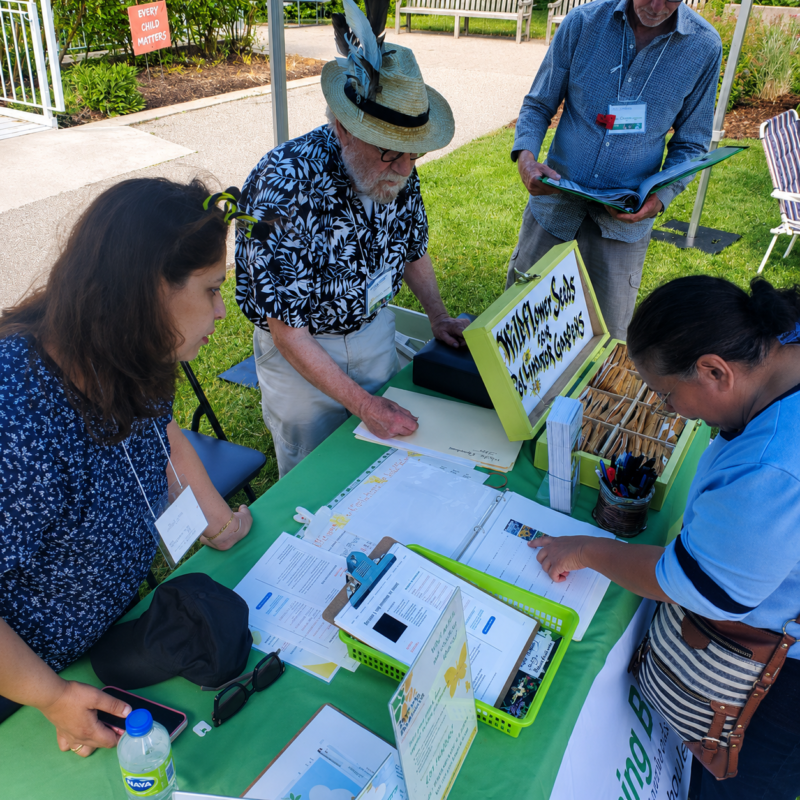
Photo Credit: Blooming Boulevards
When conversations around climate change happen, they are often dominated by global statistics, policy debates, carbon targets, and alarming headlines. While these conversations are necessary, they can also make climate action feel overwhelming and disconnected from everyday life.
This is where one of the biggest gaps in environmental action exists, not in awareness, but in strategic communication. For public relations and communications professionals, the challenge is no longer simply about informing people about climate issues, but creating narratives that inspire participation, influence leadership thinking, and turn sustainability into a shared community responsibility.
Photo Credit: Blooming Boulevards
And that is exactly why communication around local environmental initiatives matter! Public relations professionals play a critical role in translating complex environmental issues into relatable community stories. Planting native plants, pollinator conservation, and waste segregation may sound niche, but effective communication helps position them as everyday actions connected to healthier communities, climate resilience, and collective well-being. A lot of global organizations are creating ‘Glocal’ (global and local) impact with the help of their employees, but many more leaders and organizations need to step up.
Local environmental initiatives create direct participation, and people can see them in neighbourhood parks, schoolyards, and community spaces. They can participate in them through volunteering, planting, learning, donating, or simply changing small everyday behaviours that support the environment. Many organizations in Canada encourage employees by supporting them with volunteer hours which are usually part of CSR (Corporate Social Responsibility) or Employee Volunteer Programs (EVPs). Companies track hours to measure impact, encourage employee participation, and report outcomes in sustainability reports. Recently, a local not-for-profit in Mississauga, Ontario received a $5000 grant from PepsiCo Canada Foundation to bring pollinator-friendly gardens in high-rise communities. The nomination was made by a PepsiCo employee who was also volunteering with the same not-for-profit.
While select corporates are investing time, resources, and people into local community initiatives, journalists have an equally important role to play in amplifying these efforts. Local volunteer stories often remain underreported despite being some of the most visible, and impact-driven initiatives.
Environmental communication is most effective when it shifts people from passive awareness to personal connection. The challenge is that many environmental initiatives continue to remain confined within environmental circles, limiting their ability to drive broader public participation. This is where communicators, public relations professionals who work closely with leaders, entrepreneurs and corporates have a critical role to play. By integrating environmental thinking into leadership conversations, business strategy plans, organizational culture and community engagement, they can help move needle.
As we observe World Environment Day, perhaps the organizational leaders or communication leaders across sectors need to rethink one important question: are we communicating climate action in a way that makes people feel just informed, or in a way that also makes people feel involved?
About the author: Pooja Arora, PhD, is a Strategic Communications professional with experience across corporate, non-profit, and agency sectors. She specializes in shaping narratives that build reputation, drive engagement, and support purpose-led initiatives.