
2026 Is the New 2016: A Practical Study of the Viral Video Trend and What It Means for Digital Storytelling
By Lucy Luc
The phrase “2026 is the new 2016” has moved beyond a casual internet expression and into a recognizable cultural trend. It reflects how people are revisiting a specific moment in digital history while also redefining how content is created and shared today. Across platforms such as TikTok and Instagram, users are engaging with throwback aesthetics, familiar sounds, and content styles that resemble the online environment of 2016.
This trend is not simply about nostalgia. It is closely tied to how audiences experience content, how they respond to authenticity, and how viral moments continue to emerge in a constantly evolving digital space. For public relations and communication professionals, it offers a practical example of how cultural memory, user behavior, and platform dynamics intersect.
Understanding the Origins of the Trend
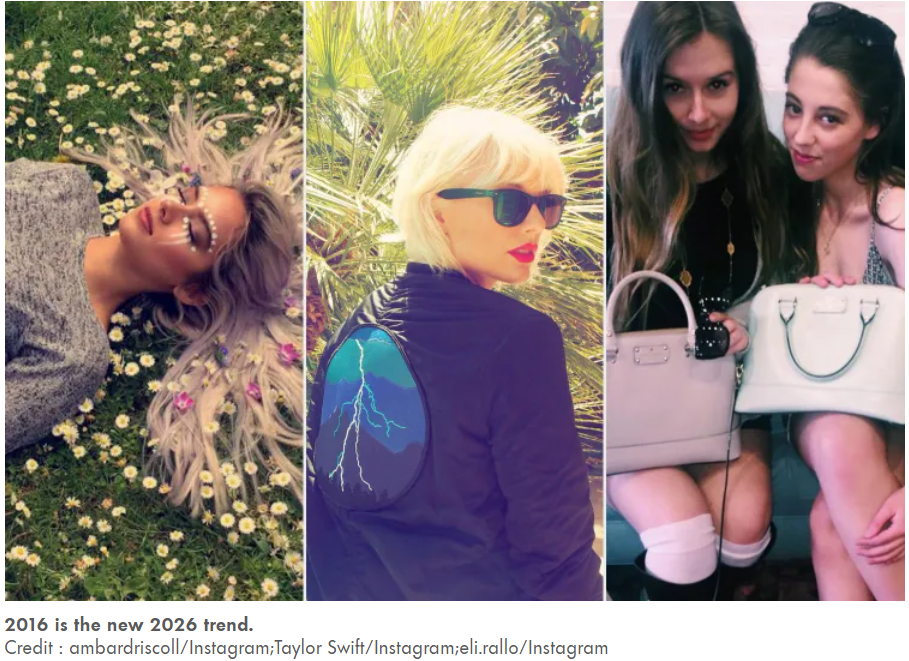
The “2026 is the new 2016” trend began circulating widely at the end of 2025 and gained traction at the start of 2026. It was sparked by users sharing throwback content that reflected personal memories from 2016, alongside broader references to internet culture from that time. These posts often included visual elements such as early smartphone photography, casual selfies, and filters that were widely used during that period.
The trend spread rapidly because it resonated with a shared sentiment. Many users associate 2016 with a time when social media felt more personal and less influenced by performance metrics. This perception encouraged others to participate by revisiting their own memories, contributing to a growing collection of user-generated content that reinforced the trend’s visibility.
Nostalgia as a Driver of Engagement
Nostalgia plays a central role in the popularity of this trend. It is a psychological response that connects individuals to past experiences, often highlighting moments that feel meaningful or emotionally significant. In the context of social media, nostalgia becomes a powerful motivator for content creation and sharing.
When users post throwback videos or images, they are not only revisiting the past but also interpreting it through a present-day perspective. This combination of reflection and reinterpretation helps create content that feels personal and relatable. As a result, audiences are more likely to engage with posts that evoke familiarity, whether through visuals, music, or cultural references.
Songs from 2016 are frequently used as background audio in these posts. Tracks such as “Starboy” by The Weeknd and “Love Yourself” by Justin Bieber help reinforce the emotional connection to that time period. Audio serves as a trigger for memory, enhancing the overall impact of the content.
The Role of Viral Videos in 2016 Culture
Viral videos in 2016 were often characterized by their simplicity and accessibility. Content did not require advanced production techniques or complex editing to gain attention. Instead, relatability and timing played a significant role in determining whether a video would spread.
Examples from that era include challenge-based content such as the Mannequin Challenge and the Water Bottle Flip Challenge. These formats encouraged participation, allowing users to recreate and share their own versions. This participatory nature contributed to the rapid spread of content, as each new contribution added to the overall trend.
Public figures such as Kendall Jenner and Hailey Bieber were also part of the broader cultural landscape at the time, helping to amplify trends through their own social media presence. Their involvement demonstrated how viral content can move between everyday users and public personalities, creating a shared digital experience.
The Evolution of Social Media Behavior
Over time, social media platforms have introduced features that influence how content is created and consumed. Algorithm-driven feeds, monetization opportunities, and creator tools have changed the incentives behind posting content. While these developments have expanded creative possibilities, they have also shaped user behavior in ways that prioritize engagement metrics.
As a result, content today is often designed with performance in mind. Hooks, pacing, captions, and visuals are carefully considered to maximize visibility. In contrast, content from 2016 was less influenced by these factors, allowing for a more casual approach to posting.
The current trend reflects a response to this shift. Users are revisiting older styles of content creation that emphasize spontaneity and personal expression. This does not indicate a rejection of modern platforms, but rather a renewed appreciation for content that feels natural and less structured.
Visual and Aesthetic Characteristics of the Trend
The “2016 aesthetic” has become a recognizable element of the trend. It includes specific visual cues such as oversaturated colors, grainy textures, and filters that were popular on platforms like Instagram during that time. Common features include casual selfies, candid moments, and minimal editing styles.
These visual elements contribute to the sense of authenticity that audiences associate with the trend. Unlike highly produced content, these visuals appear more approachable and relatable. They reflect everyday experiences rather than curated highlights, which helps explain why they resonate with viewers.
The aesthetic also extends to fashion and personal style. Clothing trends from 2016, including chokers, skinny jeans, and festival-inspired outfits, are frequently referenced in throwback posts. These details help situate content within a specific cultural context, reinforcing the connection to the original time period.
Participation and Community Engagement
One of the defining characteristics of viral trends is participation. The “2026 is the new 2016” trend encourages users to contribute their own content, whether by sharing old photos, recreating past styles, or producing new videos inspired by the aesthetic.
Platforms such as TikTok support this type of engagement through features that allow users to remix content, respond to trends, and interact with others. This participatory structure plays a key role in how trends grow and sustain momentum.
Public figures have also contributed to the trend’s visibility. When individuals like Charlie Puth share content that references earlier years, it encourages audiences to engage with the trend in similar ways. This interaction between creators and audiences helps maintain a cycle of content creation and sharing.
Cultural Context Behind the Trend
The popularity of this trend is influenced by broader cultural and social factors. Many users associate 2016 with a period that felt less complex in terms of online interaction. Social media was used primarily for sharing moments with friends and communities, rather than for content distribution at scale.
At the same time, 2016 was a significant year in global culture, with major events, music releases, and digital trends shaping the online environment. The rise of early influencer culture, the growth of short-form video, and the emergence of viral challenges all contributed to the foundation of modern social media behavior.
The current trend reflects how users interpret that period through a contemporary lens. It combines memory with reinterpretation, creating a shared narrative that evolves as more people participate.
Implications for Public Relations and Digital Communication
For professionals in public relations and communication, this trend offers practical insights into audience behavior and content strategy. It highlights the importance of understanding cultural context when creating messaging that resonates with audiences.
Authenticity remains a key factor in engagement. Content that feels genuine and relatable is more likely to capture attention than content that appears overly produced or disconnected from audience experiences. This does not mean abandoning quality, but rather balancing production with relatability.
The trend also demonstrates the value of storytelling. Viral videos often succeed because they communicate a clear idea or emotion in a concise format. Whether through visuals, sound, or narrative structure, effective content connects with audiences on a human level.
Participation is another important consideration. Content that invites interaction, response, or reinterpretation tends to perform well because it encourages audiences to become part of the experience. This participatory element is central to how trends develop and spread across platforms.
Conclusion
The “2026 is the new 2016” trend provides a practical example of how viral content emerges and evolves in a digital environment. It reflects a combination of nostalgia, cultural memory, and shifting audience expectations. As users revisit the styles and behaviors of earlier social media eras, they are also redefining what they value in content today.
For Viral Video Day, this trend reinforces a simple but important idea. Viral moments are not only shaped by technology or algorithms, but by people. When content resonates with shared experiences and emotions, it has the potential to spread widely and influence culture.
In a landscape where platforms continue to evolve, the fundamentals of storytelling remain consistent. Clear ideas, relatable moments, and genuine expression continue to form the foundation of content that connects. The resurgence of 2016 inspired content is a reminder that while formats may change, the human element behind viral video culture remains constant.
Lucy Luc is the current president of the Student Steering Committee and a CPRS Toronto ACE Award–winning student in her final year of Humber Polytechnic’s Bachelor of Public Relations program, where she is completing her thesis.