
Healthy Eating Is Coming Back and It Is Trendier Than Ever in 2026
By Lucy Luc
Data, Case Studies, and a Campaign Guide for Communicators
Good communication is like good nutrition. It works best when it is balanced, intentional, and tailored to your audience. Today is a reminder for PR and marketing professionals that understanding people’s needs, habits, and motivations is essential to creating messages that truly resonate.
Why Healthy Eating Is Trending Again in 2026
Food trends in 2026 show a clear shift in mindset. Consumers no longer want to choose between health and indulgence. They want both, and they want it to fit their real lives and budgets.
Key forces shaping food behavior include rising food costs, increased health awareness, emotional stress, and a desire for food that does more than one thing. People are eating with intention, not extremes. Smaller portions, fiber focused meals, hybrid protein choices, and functional beverages reflect how people actually live.
Smaller Portions and Smarter Choices
Research shows that a majority of adults prefer smaller portions at lower prices, especially younger generations. When brands offer transparency and flexibility, consumers feel respected and in control.
For communicators, this reinforces the importance of choice driven messaging. Campaigns that empower audiences perform better than those that dictate behavior.
Comfort and Nostalgia Are Back
In times of stress, people turn to familiar flavors and comforting experiences. Nostalgia driven menus and elevated childhood favorites are gaining traction, proving that emotional connection is just as important as nutritional value.
For campaigns, emotion builds memory. Stories rooted in warmth and familiarity create stronger engagement than purely informational messaging.
Fiber Focused Eating Is Rising
Most adults still do not meet daily fiber needs, making fiber forward foods both a health solution and a value driven choice. Affordable vegetables like cabbage, legumes, and whole grains are becoming everyday staples.
For marketers, the lesson is simplicity. Show audiences how to make easy improvements rather than overwhelming them with data.
High Quality and Hybrid Proteins
Protein remains important, but the emphasis is shifting toward balance. Consumers are blending premium meats with plant based proteins for cost, health, and sustainability.
For communicators, balanced narratives resonate more than extreme positioning. Flexibility builds trust.
Functional Beverages and Reduced Alcohol Consumption
Functional drinks that offer benefits like relaxation, focus, or gut health are growing rapidly. At the same time, low alcohol and alcohol free options are becoming mainstream, especially among younger audiences.
For campaigns, highlighting purpose and benefit over trend language creates stronger relevance.
Top Healthy Snacks & Drinks Social Media Marketing Campaigns
Successful campaigns consistently include clear messaging focused on one behavior change, multi channel distribution, audience segmentation, practical resources, and measurable outcomes.
Poppi redefined the “functional soda” category by making health feel like a party rather than a prescription.
- The Strategy: A full-spectrum digital blitz on TikTok and Instagram using the hashtag #drinkpoppi. They leveraged “vibe-aligned” influencers like Ken Eurich and Mada to create a conversation around the product rather than a sales pitch.
- The Results: The hashtag exploded with over 1 billion views, and the brand saw a massive $1 million in sales in just one week, proving that “bubbly” branding drives bubbly sales.
Eaton Hemp focused on the educational hurdle of hemp-based snacking by pairing high-end brand styling with influencer authority.
- The Strategy: They collaborated with 32 influencers across the food, fitness, and wellness sectors to humanize the brand. By using styled, “Instagram-perfect” visuals, they educated consumers on hemp’s history and nutrition without losing the aesthetic appeal.
- The Results: A 30 per cent increase in followers within three months and a collective reach of over 490,000 health-conscious consumers.
Innocent Drinks proved that you don’t always need external influencers if your in-house brand voice is strong enough.
- The Strategy: They used self-aware, witty TV and social spots that claimed their drinks were “bursting” with so many vitamins they couldn’t even fit in a standard 15-second commercial.
- The Results: This “un-advertising” approach resonated deeply with audiences tired of over-polished health claims, driving massive engagement on Instagram and TikTok through quirky, snackable content.
This Eastern European brand used a “multilingual and multi-market” approach to expand its digital footprint globally.
- The Strategy: Utilizing Facebook Pixel to track conversions and a website overhaul in multiple languages, they combined science-backed health benefits with cost-effective social media targeting.
- The Results: They slashed advertising costs per purchase from €29.30 down to €7.60 while growing their Facebook community by 2,000 active followers.
Five Key Stages of Developing a Healthy Eating Campaign
- Define a clear and realistic goal
- Understand your audience’s real barriers and motivations
- Craft one simple and actionable message
- Choose channels your audience already trusts
- Measure engagement and adapt based on results
Whether you’re promoting food, wellness, or any lifestyle brand, the winning formula remains the same:
- Be practical
- Be human
- Be emotionally aware
- Be data-informed
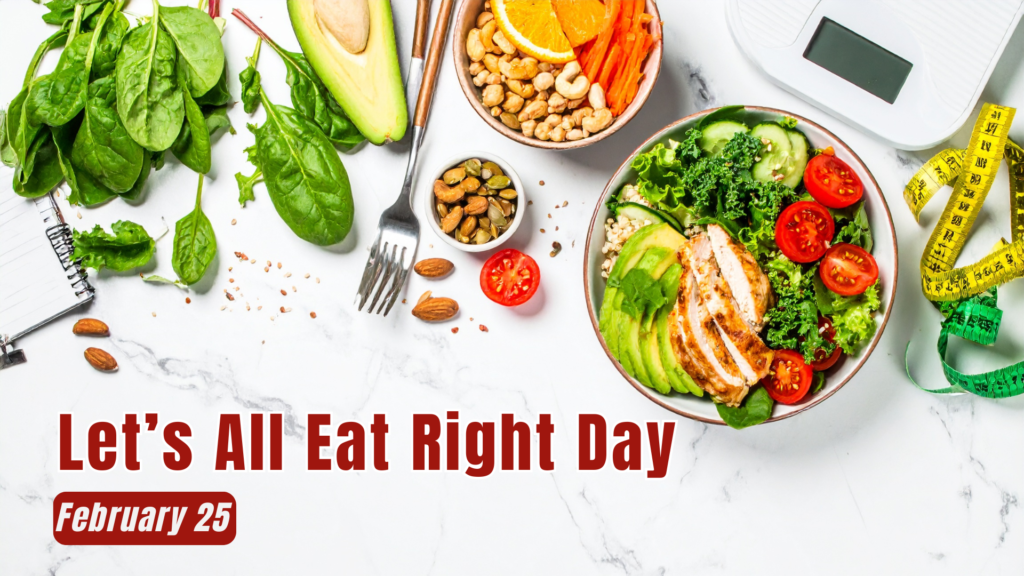
This Let’s All Eat Right Day, remember that the best campaigns, like the best meals, nourish people without overwhelming them.
Lucy Luc is the current president of the Student Steering Committee and a CPRS Toronto ACE Award–winning student in her final year of Humber Polytechnic’s Bachelor of Public Relations program, where she is completing her thesis.